Introduction:
The municipality of Guía de Isora, located in Santa Cruz de Tenerife, is a place of great natural wealth. Its climate and geographical location have given rise to a diversity of flora and fauna that make it a true treasure trove of biodiversity, as mentioned in our previous article.
Features:
The municipality covers an area of 143.43 km² and lies at an average altitude of 1111 m above sea level. This diversity of altitudes and climates has allowed a variety of ecosystems to develop, each with its own characteristic flora and fauna.
Overview:
Flora
The flora of Guía de Isora is rich and varied, with native species growing in deep barrancos (ravines) and on lava flows. Among the most notable plant species are:

Drago, dragon tree (Dracaena draco)
A legendary tree regarded as one of the symbols of Canarian vegetation.

Tajinaste rojo (red bugloss)
A branchless shrub with a spear-like structure that can reach three metres in height.

Brezo (tree heath)
A leafy, heavily branched shrub with fine leaves and whitish or slightly pinkish flowers.

Escobón
Also known as tagasaste or tree lucerne, it has large spear-shaped leaves and white flowers.

Verode
A shrub with spear-shaped leaves found on all the Canary Islands.
Fauna
The fauna of Guía de Isora is just as diverse, with numerous endemic species found nowhere else on the planet. Some of the most notable animal species include:
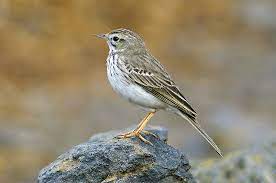
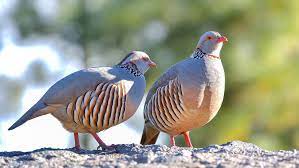
Birds: Berthelot’s pipit (Anthus berthelotii), wild canary (Serinus canaria), Cory’s shearwater (Calonectris diomedea) and Barbary partridge (Alectoris barbara), among others.

Mammals: European rabbit (Oryctolagus cuniculus), North African hedgehog (Atelerix algirus) and Madeira pipistrelle bat (Pipistrellus maderensis), among others.


Reptiles: West Canary skink (Chalcides viridanus), Tenerife lizard or lagarto tizón (Gallotia galloti) and loggerhead turtle (Caretta caretta), among others.


Conclusion:
The municipality of Guía de Isora is a true treasure trove of biodiversity, with rich and varied flora and fauna. Protecting and conserving these ecosystems is essential to preserve these unique species and maintain the region’s natural balance. Every visit to the municipality is an opportunity to discover and appreciate the beauty and diversity of Canarian nature.